Physical therapy helps people move better, hurt less, and return to the activities that matter to them.
Frequently Asked Questions
What is physical therapy?
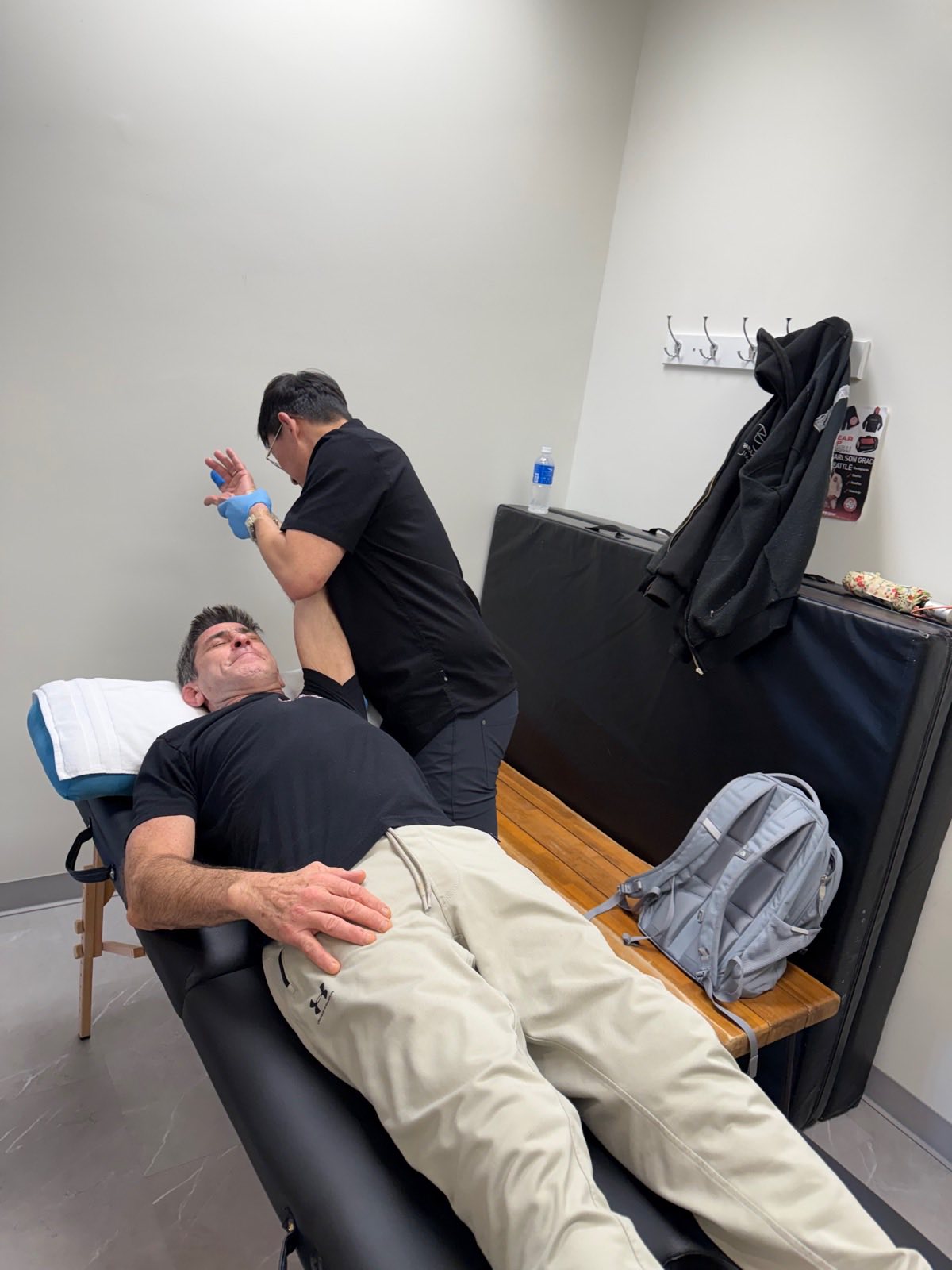
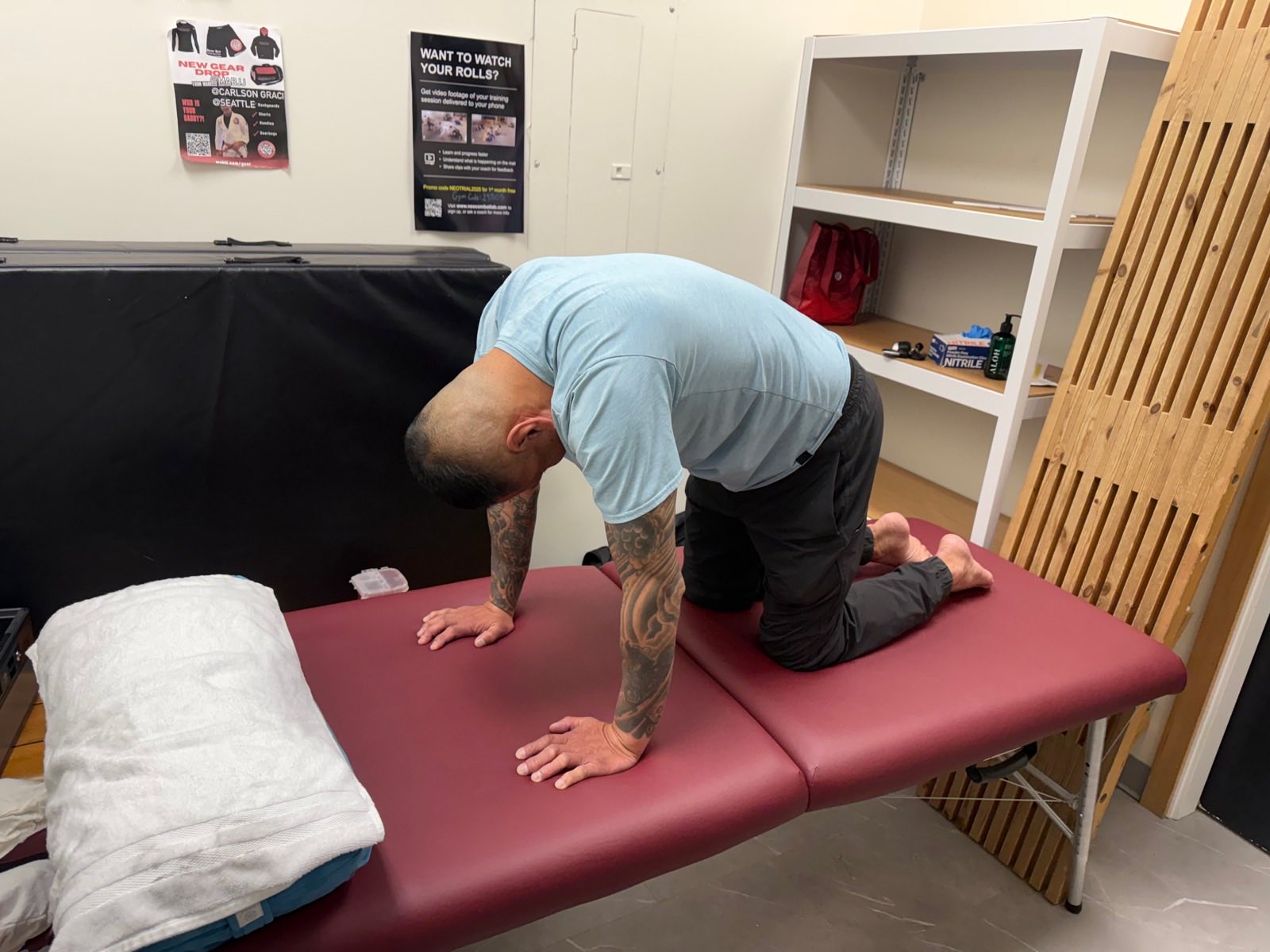
Physical therapy is a movement-based healthcare service focused on reducing pain, restoring function, and improving performance in daily life, work, and sport. Care often includes a detailed conversation, movement assessment, hands-on treatment when useful, and a plan built around exercise, education, and practical next steps.
Who can physical therapy help?
People dealing with new or recurring pain, active adults returning to exercise, running, lifting, or sport, anyone recovering from an injury or trying to avoid a setback, and people who simply want a clearer understanding of what their body needs.
Do you only treat athletes?
Not at all. A lot of the practice is based at BJJ, Muay Thai, and combat sports gyms, so athletes make up a big share of the patients — but the same one-on-one, hands-on approach works well for any active adult. Whether you're training for competition, keeping up with your kids, or just trying to move through the day without pain, the care is built around your goals.
How is this different from chiropractic or acupuncture?
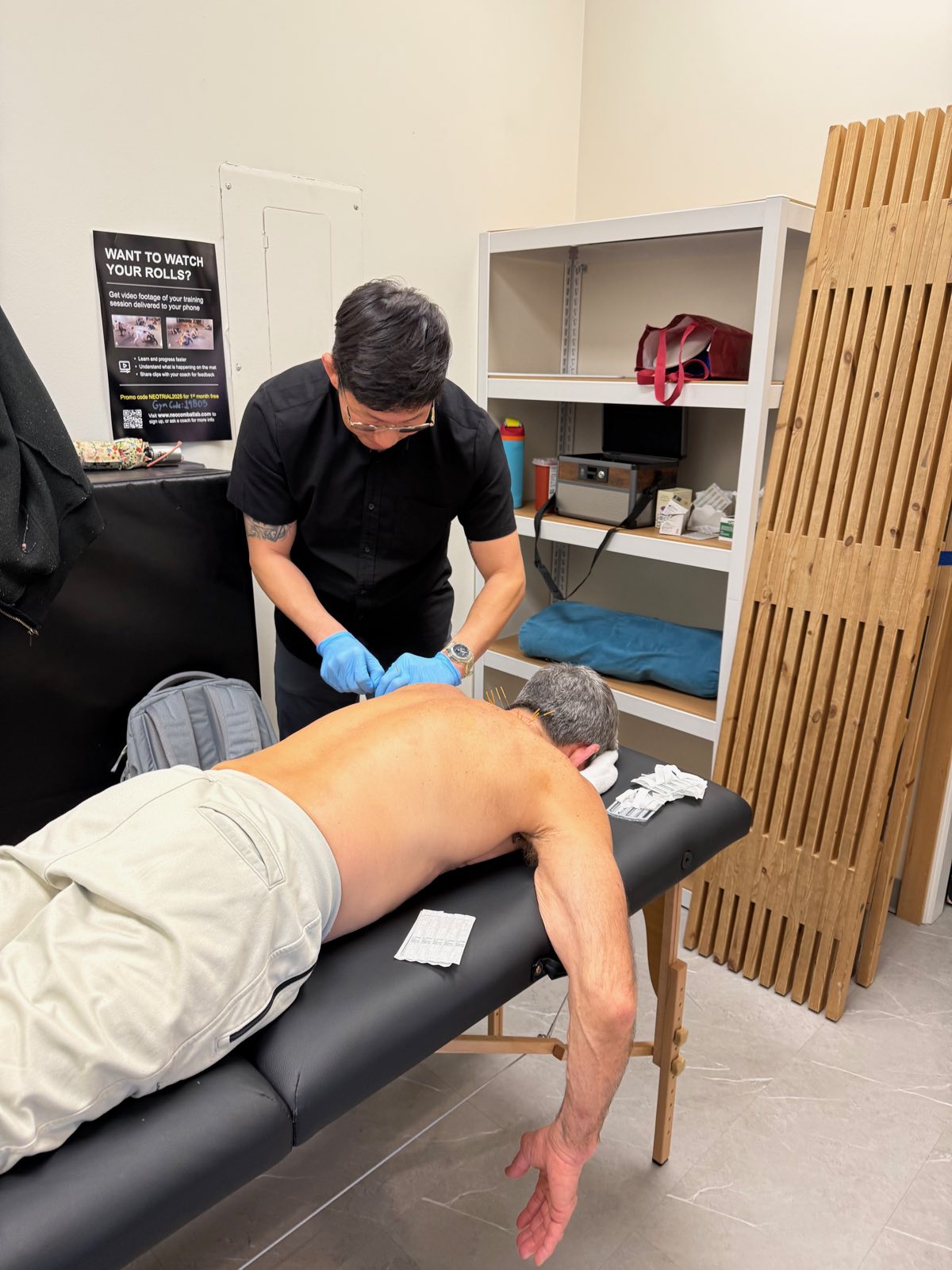
Chiropractic care and acupuncture can both play a useful role in pain relief, often through spinal adjustment or targeted needling. Physical therapy takes a broader, movement-based approach: a full evaluation of how you move, hands-on treatment when it's useful — including techniques like dry needling — and a progressive exercise plan so the improvement holds up under load, not just in the treatment room but back on the mats.
Services Provided
Treatment in action